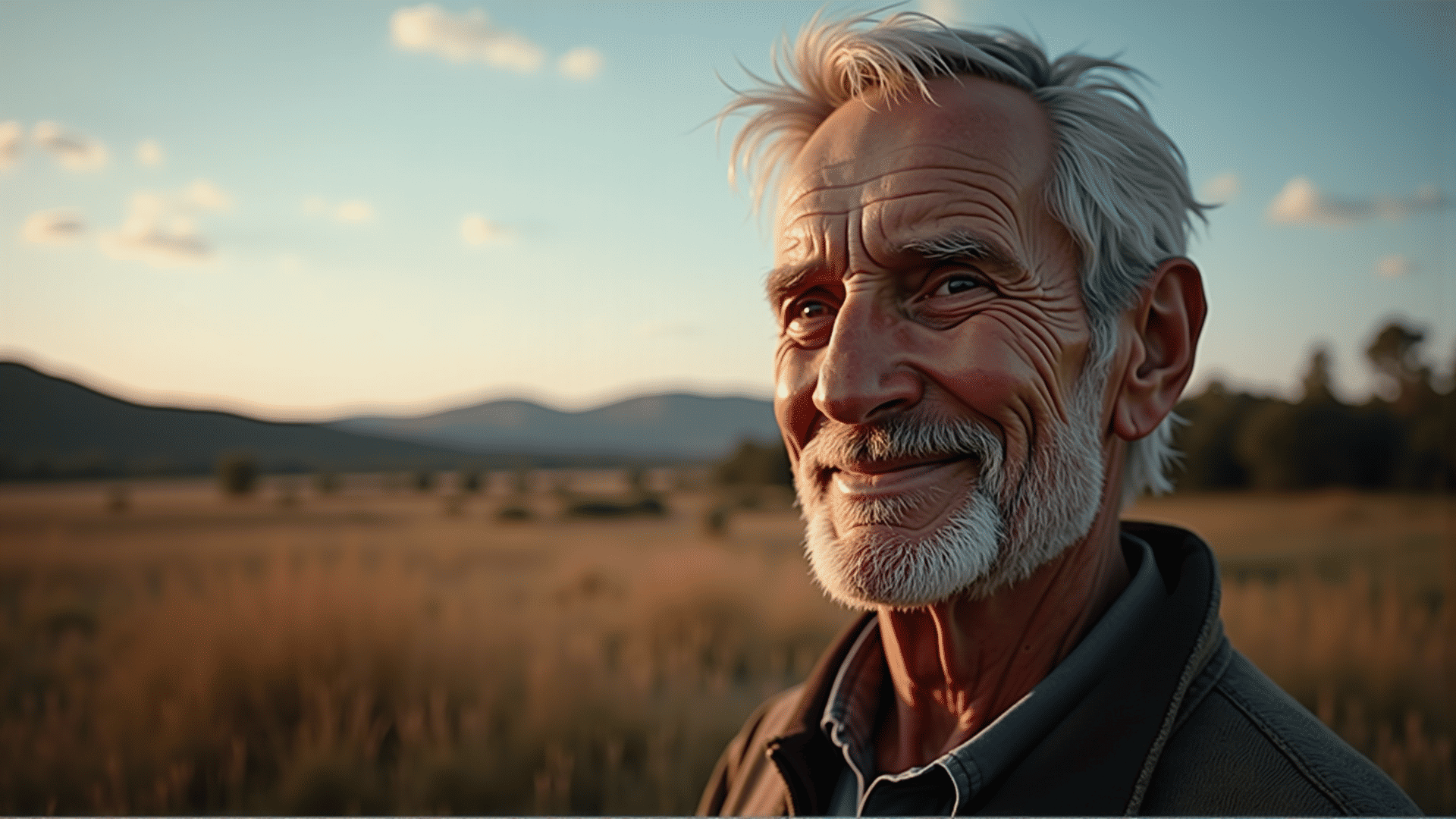
Exploring the world of portrait and landscape photography unveils a realm filled with creativity and technical artistry. Each genre offers a distinct visual narrative and requires a blend of technique, vision, and understanding of lighting and environment. Let's delve into the key techniques that breathe life into portraits and landscapes, whether captured in natural settings or controlled studio environments.
Portrait Photography: The Art of Capturing Emotion
Portrait photography focuses on capturing the essence of an individual or a group. The photographer’s role is to convey the subject's personality, mood, and expression. Mastering this art involves a keen understanding of lighting, composition, and the ability to connect with the subject.
Lighting and Composition in Portraiture
Lighting is pivotal in portrait photography. Using natural light can result in soft, flattering images, while artificial studio lighting offers greater control. Photographers often use techniques like Rembrandt lighting to add depth and dimension to the face or butterfly lighting for a glamorous, high-fashion look.
Composition is equally important. The rule of thirds, leading lines, and symmetry guide the viewer’s eye and frame the subject effectively. Choosing the right lens – typically a medium telephoto lens – helps in achieving a pleasant perspective by minimizing distortion.
Creating a Comfortable Environment
The environment in which the photograph is taken plays a significant role in the outcome. Whether shooting outdoors or in a studio, creating a comfortable atmosphere allows the subject's true character to shine through. Trust and comfort between the photographer and the subject often yield the most authentic expressions and postures.
Landscape Photography: Capturing Nature’s Grandeur
Landscape photography aims to capture the beauty and vastness of the natural world. The goal is to evoke a sense of place and a connection to nature, often requiring patience and the right timing.
The Power of Timing and Light
The magic of landscape photography often lies in the timing. The "golden hour," shortly after sunrise or before sunset, offers soft and warm lighting conditions that add a magical quality to the scenery. Conversely, the "blue hour," the period of twilight before sunrise or after sunset, casts a cool, serene tone over landscapes.
Using natural elements to compose an image is essential. Leading lines like roads, rivers, or tree lines can draw the viewer into the scene. Foregrounds, midgrounds, and backgrounds should be carefully considered to create a layered effect that adds depth to the image.
Equipment and Exposure Techniques
Selecting the appropriate equipment is vital in landscape photography. Wide-angle lenses are commonly used to capture broader views and immersive scenes. Mastery of exposure techniques, including long exposures to capture movement such as flowing water or cloud formations, adds dynamism to still images.
Merging Techniques: From Nature to Studio
While portraits and landscapes might seem worlds apart, they share common technical principles that can transcend their respective domains. Consider incorporating elements of landscape photography into portrait sessions, such as using natural backdrops and ambient light. Conversely, portrait techniques like focal point emphasis and controlled lighting can enhance landscape images by highlighting specific features.
In conclusion, whether capturing the nuances of human emotion or the splendor of the great outdoors, understanding and applying the right techniques can turn simple photographs into powerful visual narratives. By experimenting with different settings and lighting, photographers can hone their craft and explore the endless possibilities that these genres offer.