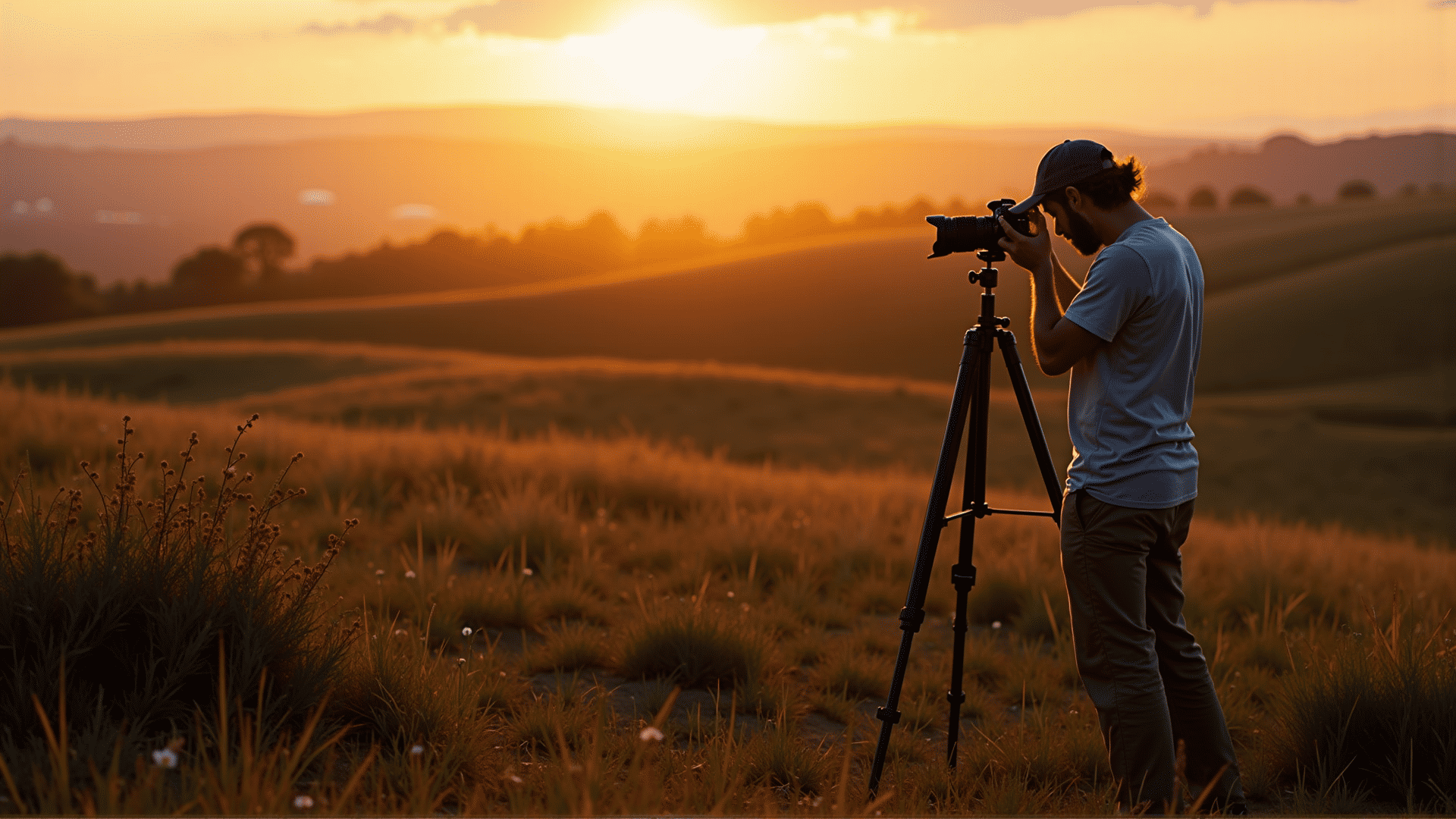
In the realm of photography, the artistic branch allows for a profound expression of creativity, capturing the beauty and emotion that transcend the ordinary. For those aspiring to master artistic photography, exploring innovative techniques and compositions is essential. By honing your skills in these areas, you can discover new ways to capture breathtaking moments and convey compelling stories through your lens.
Firstly, understanding light is fundamental in photography. Light can dramatically alter the mood and feeling of a photograph. Experiment with shooting during different times of the day—sunrise, midday, and sunset—to see how natural light affects your images. Consider using shadows and reflections as elements in your composition. Shadows can add depth and intrigue, while reflections can create abstract effects that transform everyday scenes into works of art.
Exploring various angles and perspectives is another key to mastering artistic photography. Instead of shooting from eye level, try capturing images from higher or lower angles. This change in perspective can provide a fresh view of your subject and often results in more engaging compositions. Climbing to a vantage point or crouching on the ground can yield unexpected visual outcomes and enhance the artistic value of your photos.
Incorporate the rule of thirds into your compositions, but don’t be afraid to break it for a more dynamic shot. Positioning your subject off-center creates balance and tension that can make an image more visually appealing. However, there are times when symmetry and centering can make for a powerful photograph. Experiment with these compositional techniques to see what best serves the story you aim to tell in each image.
Textures and patterns are also valuable elements to explore in artistic photography. They can add layers and interest to your images, encouraging viewers to engage more closely with the details. Whether capturing the rough surface of a weathered wall or the intricate patterns of a butterfly's wings, paying close attention to texture can enhance the emotional impact of your photos.
Post-processing is another tool that can take your artistic photography to the next level. Editing software allows you to adjust colors, contrast, and other details that can refine and elevate your images. While it's important not to over-edit, subtle adjustments can enhance the mood and highlight elements that may have been understated in the original capture.
Finally, storytelling through your photographs can evoke emotional responses and create a deeper connection with your audience. Consider what you want to communicate through your images and how elements like setting, subject, and composition can support this narrative. Whether it’s a single photo or a series, a strong narrative will resonate and stay with those who view your work.
By embracing these techniques and continuously experimenting, you can develop your own unique style and voice within artistic photography. Remember that creativity knows no bounds, and each click of the shutter brings you closer to mastery in this captivating art form.