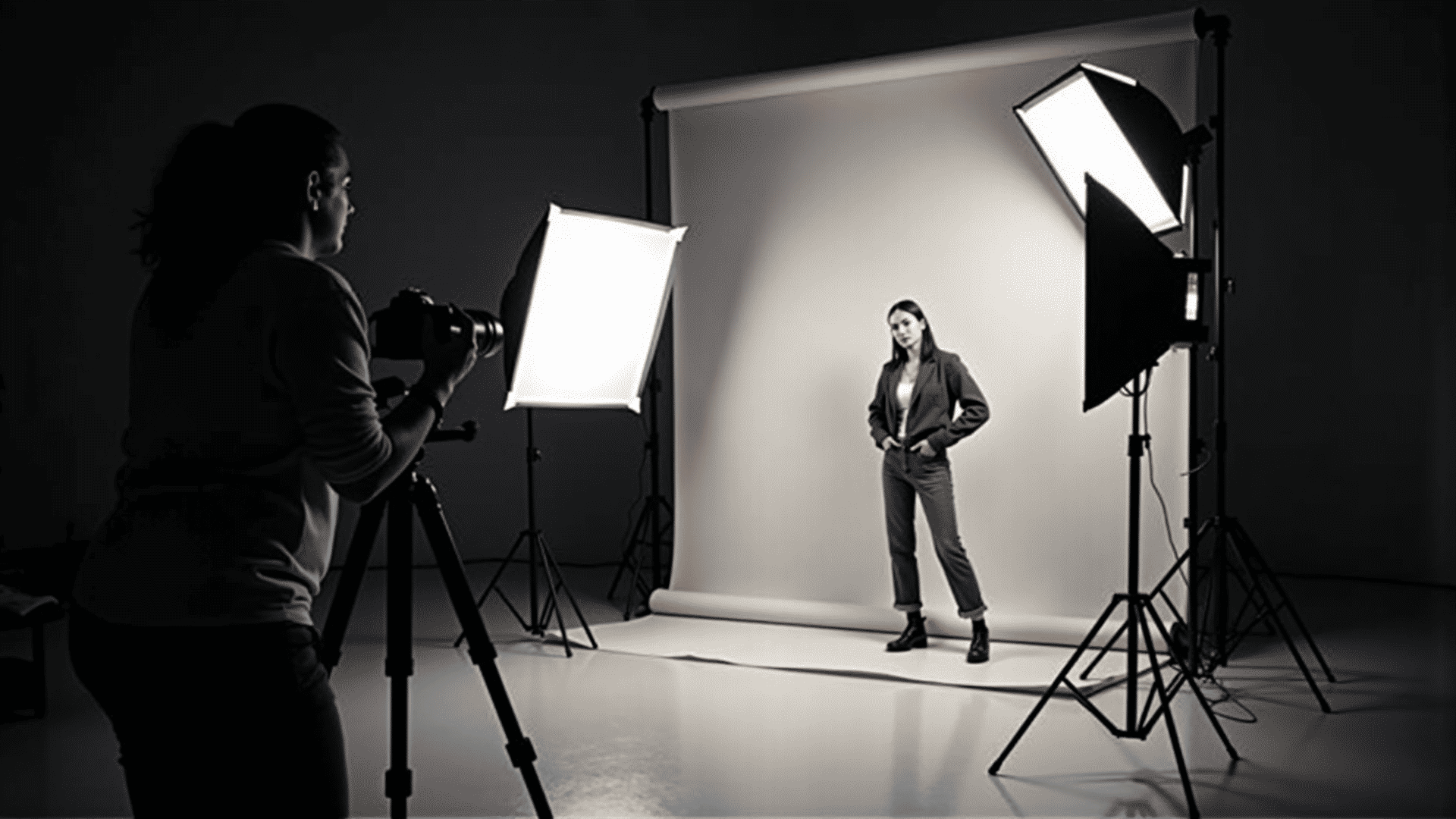
Understanding the intricacies of lighting is essential for photographers seeking to elevate their work to a new level. Light isn’t just an element; it's the core of photography. Proper use of lighting can transform an ordinary image into a masterpiece, influencing everything from mood to the detail captured.
The Role of Natural Light
Natural light is a fundamental tool in photography, offering a spectrum of options depending on the time of day and weather conditions. Early morning and late afternoon, often referred to as the "golden hours," provide soft, warm tones that can create a moody, atmospheric effect. The low angle of the sun during these times also reduces harsh shadows, resulting in more flattering portraits.
On the other end of the spectrum, midday sun casts hard shadows and stark contrasts. While this is often seen as challenging, it can be utilized creatively to produce dramatic and striking images. Overcast days may initially seem unappealing, but the diffused light eliminates shadows and brings out details and colors vibrantly.
Harnessing Artificial Light
While natural light has its advantages, mastering artificial light can open up limitless creative avenues. The primary benefit of using artificial light is control. Whether using studio lights, flashes, or continuous lighting setups, you can manipulate the direction, intensity, and color of the light to achieve your desired outcome.
Studio lights provide consistent results and are excellent for professional portraits, product photography, and fashion shoots. Speedlights and off-camera flashes offer flexibility and are invaluable for events and location shoots. Continuous lighting, such as LED panels, allows you to see the effect of your lighting in real-time, making them ideal for both photography and videography.
Balancing Light and Shadow
One of the secrets to a stunning photograph lies in balancing light and shadow. Shadows can add depth, dimension, and intrigue, sculpting the subject and directing your audience’s gaze. Techniques such as backlighting and using reflectors can help manage and manipulate shadows, enhancing the visual impact without losing detail.
Setting the Mood
Lighting dramatically affects the mood and emotion conveyed in an image. Soft, diffused lighting often evokes emotions of calmness and romance, while harsh, directional lighting can introduce tension and drama. Colored gels on lights can add unique hues that alter the mood, turning an ordinary setup into something extraordinary.
Experimentation and Personal Style
An essential aspect of photography is exploration and defining your style. Don’t hesitate to experiment with different lighting setups and combinations. Over time, you’ll develop a keen sense of what lighting techniques complement your subjects and enhance your artistic vision.
In conclusion, understanding and manipulating lighting can significantly enhance your photographic craft. By mastering both natural and artificial lighting, you have the power to control the narrative and evoke emotions through your work. Light is not just a tool; it's the heart of an extraordinary photograph.