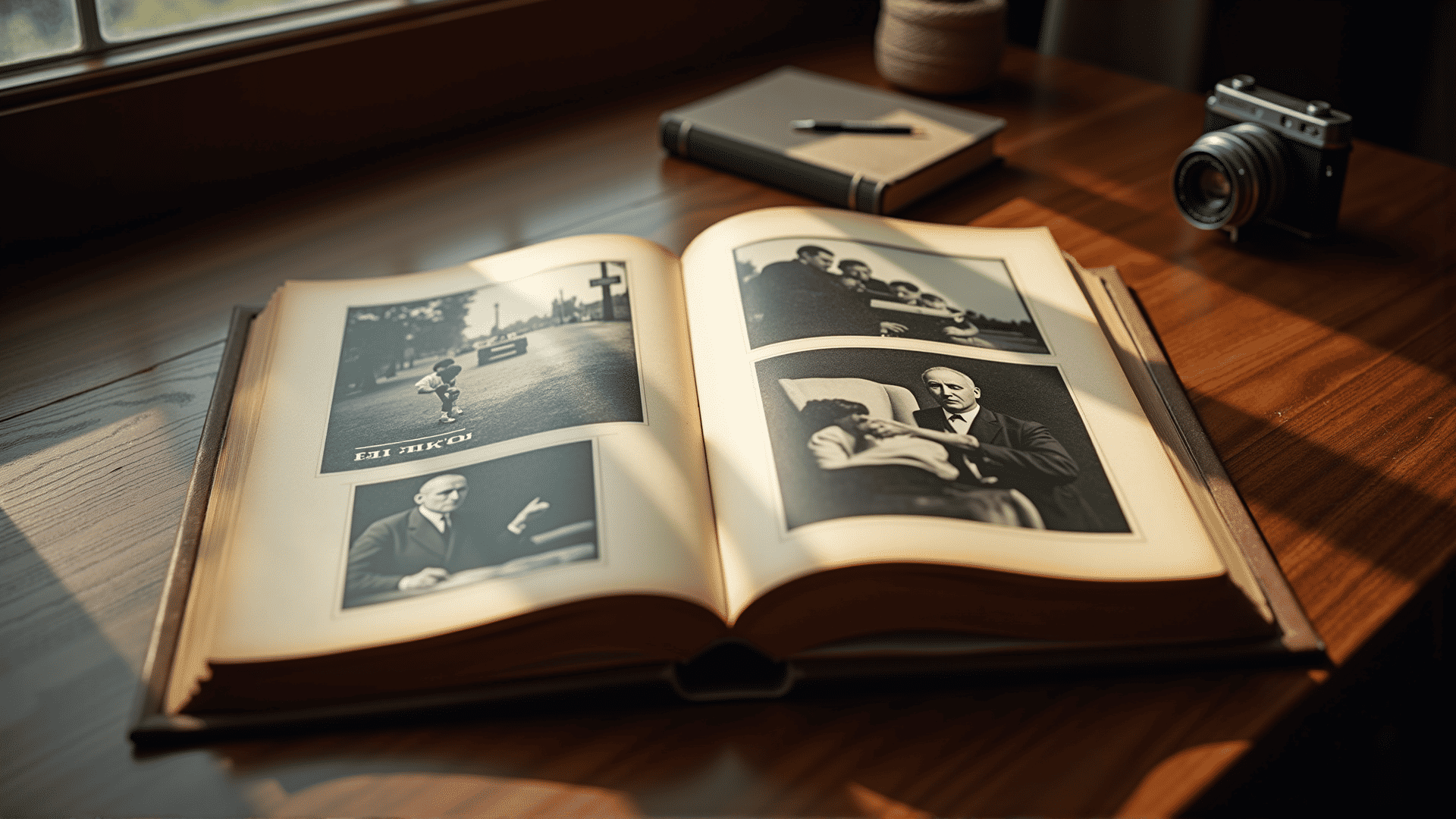
Photography is an intricate tapestry woven through time, capturing moments both grand and intimate, and transforming how we perceive the world. The evolution of this art form is as fascinating as the images it produces, marked by key developments and innovations that have shaped the way we create and view photographs today.
The journey begins in the early 19th century with the advent of the camera obscura, a simple optical device used since ancient times for viewing or drawing scenes. However, it was not until around 1826 that Joseph Nicéphore Niépce succeeded in capturing what is widely considered the first permanent photograph. Known as "View from the Window at Le Gras," this image signaled the birth of photography as we know it.
Following Niépce, Louis Daguerre furthered photographic technology with the development of the daguerreotype process in 1839. This method drastically reduced exposure time and produced images with remarkable detail. The daguerreotype was a key milestone, leading to photography’s growing popularity and accessibility.
By the 1850s, advances continued with the invention of the albumen print, which allowed for the creation of more durable images. Photographers could reproduce prints quickly and efficiently, facilitating the medium’s spread across continents. The Civil War era, in particular, saw photographers like Mathew Brady use this technology to document historical events, laying the groundwork for photojournalism.
The turn of the 20th century ushered in a wave of innovations. The introduction of roll film, notably championed by Eastman Kodak, transformed photography into a widespread activity. It allowed everyday people to capture their lives in ways previously thought impossible. This democratization of photography was further enhanced by advancements in portable cameras, such as the Kodak Brownie.
Parallel to technological advancements, photography began to gain recognition as a legitimate form of art. The works of pioneers like Alfred Stieglitz and Ansel Adams elevated the medium, illustrating its potential for artistic expression rather than mere documentation.
The mid-20th century saw color photography burst onto the scene, with significant improvements made in film quality. These developments opened up new possibilities for creativity, allowing photographers to experiment with hues and light in ways previously limited to black-and-white imagery.
As the digital revolution unfolded in the late 20th and 21st centuries, photography underwent its most significant transformation. Digital cameras and smartphones equipped with high-quality lenses have made capturing images easier and more instantaneous than ever before. This era has also brought forth powerful editing software, enabling photographers to manipulate images with precision and create entirely new visual narratives.
Today, photography stands as a vibrant and dynamic field, continually evolving with technological advances in virtual reality and artificial intelligence. These innovations promise to further blur the lines between reality and imagination, offering exciting prospects for the art’s future.
In conclusion, the journey through photography history is a testament to human ingenuity and the perpetual quest to capture the essence of life. Each stride in this field has not only reinvented how we see the world but also how we connect with it, making photography an enduring and ever-evolving thread in the fabric of human culture.